Welcome Back

Would you like to continue your previous session, or start a fresh one?

Patient Monitor Simulator

Quality EMS training shouldn't depend on a budget line item.

Training Monitor App is a fully functional, browser-based patient monitor simulator built for EMS programs, instructors, and students. Free, forever, for everyone.

Our Mission

Professional tools, Permanently free.

Commercial patient monitor simulators cost thousands per program — a number that quietly decides which students get realistic training and which don't.

We built TMA to delete that line from the equation.

Free Forever

No subscriptions. No premium tier. No "free trial" countdown.

No Sign-Up

Open the page, start a session. No account, no email harvesting.

Works Anywhere

Any device with a browser becomes a monitor or a controller.

Built With Educators

Every feature is shaped by feedback from active EMS instructors.

I remember being a student with limited access to good resources, and I've watched instructors burn their own paychecks to give students a real training experience. TMA is my way of giving back. It will always be free, and we will always keep making it better. My only ask: please share it.
— LJ · Founder & Creative Director
The Team

Meet the four people behind every feature.

Click any card to learn more.

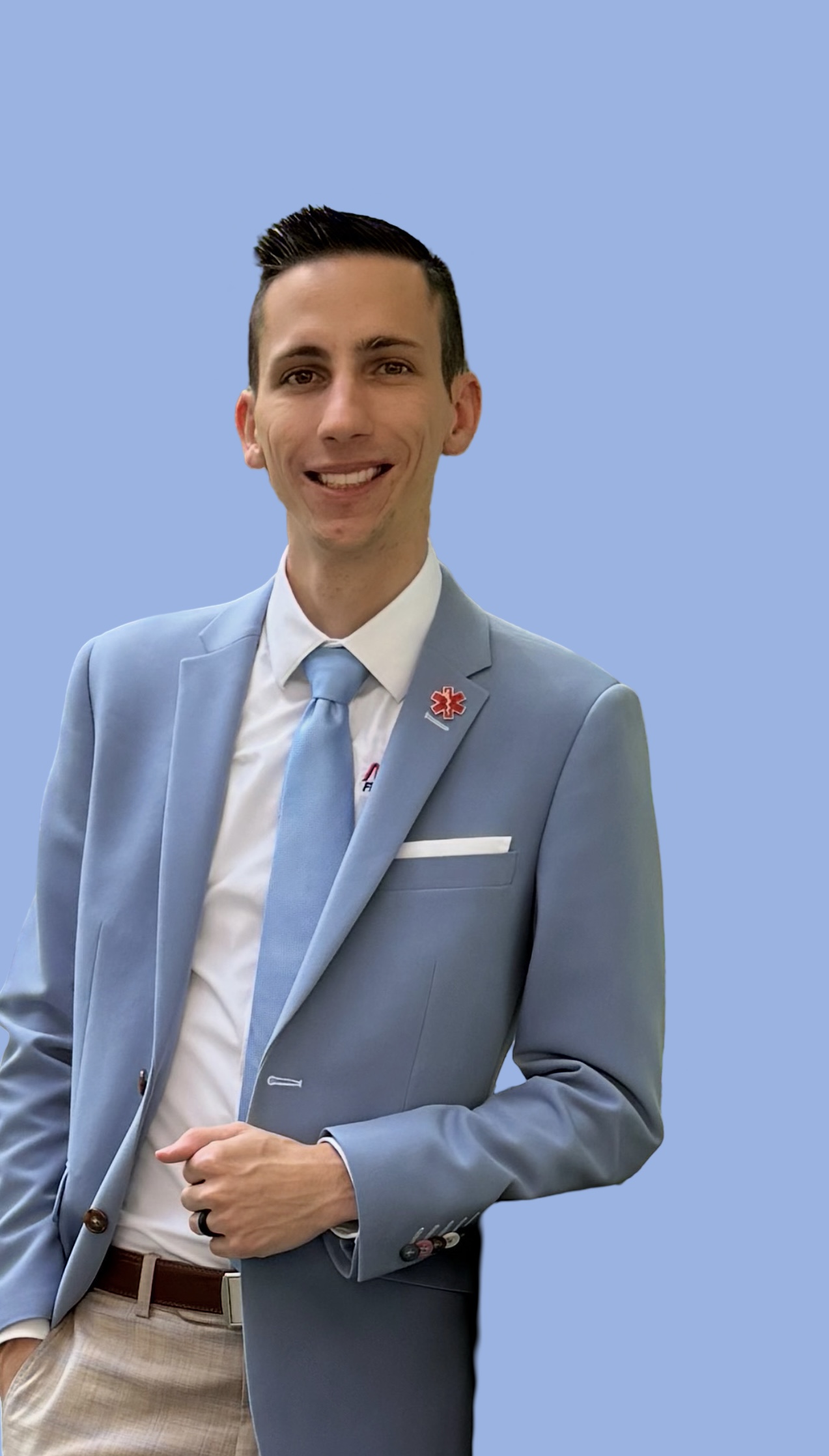
LJ Merchant
Founder & Creative Director

LJ Merchant

LJ Merchant is the founder of MedTech Kits and the product mind behind TMA. Working at the intersection of design and engineering, LJ shapes every feature from concept to build — defining how the product should feel, shepherding ideas through the team, and making sure nothing ships until it's right. TMA exists because LJ noticed a problem the EMS education world had quietly accepted. If this tool solves something you've struggled with as an instructor, that's not an accident.

LJ Merchant

Why TMA

Programs were spending thousands on monitors that weren't good enough, and the EMS education world had quietly accepted it. I hate mediocrity. I wanted students to train like they play — so I built something every program could actually use, regardless of budget.

Favorite Feature

The alarm logic. We spent weeks mapping every possibility, and the depth of what's under the hood is something most users never fully see. The flexibility to adjust alarm parameters at that level — I'm not aware of another monitor that goes there.

When I'm Not Working

Chasing five kids around the backyard — and loving every second of it.
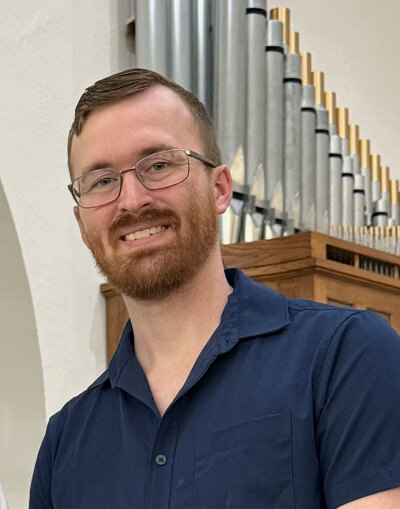
Jeremy Ricks
Educational Advisor

Jeremy Ricks

Jeremy Ricks is TMA's bridge between ambition and reality. As an EMS educator deeply embedded in the education community in Georgia, Jeremy has worked alongside hundreds of instructors — and that experience is exactly what he brings to every product decision. When LJ has an idea and John has a clinical standard, Jeremy is the one asking how it actually plays out in a classroom, a lab, or a certification curriculum. TMA isn't meant to teach instructors how to run simulations — it's meant to be the tool they reach for when they do. Jeremy makes sure we never lose sight of that.

Jeremy Ricks

Why TMA

Jeremy has seen firsthand what rural EMS education looks like — programs doing incredible work with whatever they can scrape together. In Georgia, that gap between what students need and what programs can afford is impossible to ignore. TMA is his way of doing something about it.

Favorite Feature

Vital visibility. The ability to independently toggle vitals on and off gives instructors surgical control over what a student sees — and that kind of flexibility is what separates a great simulation from a good one.

When I'm Not Working

Bio coming soon.

John Tongret
Medical Advisor

John Tongret

John is a Nationally Registered Paramedic with deep roots in EMS education, having taught at every level from new provider training to advanced certifications. As our Medical Advisor, he stands between TMA and your students — reviewing every feature against real-world clinical practice before it ever goes live. John has a deep conviction that realistic simulation changes outcomes, and that no program should be priced out of it. He's the reason TMA can sit next to a textbook without lying to your students.

John Tongret

Why TMA

TMA is the first tool powerful enough to improve every EMS classroom in the world — and the first one that doesn't get gatekept behind expensive hardware or costly subscriptions.

Favorite Feature

We have more rhythms than most programs ever see in a classroom. That depth is what turns a good simulation into a great education.

When I'm Not Working

When he's not in the classroom, you'll find John somewhere in the mountains — on foot or on a bike, as far off the grid as possible.

Muhammad Zain
Lead Developer

Muhammad Zain

Muhammad is the engineering backbone of TMA. Every real-time sync, every waveform on a classroom screen, every session that just works — that's his code holding it together. He doesn't just build features; he builds them to last, perform under pressure, and never let an instructor down mid-scenario. Behind every smooth interaction is hours of thinking through what could go wrong. His mindset is simple: if it's worth building, it's worth building right.

Muhammad Zain

Why TMA

I wanted to work on something that actually mattered. Building dashboards for sales funnels is fine — building a tool that helps train the next generation of EMS responders is different. When the product has real stakes, you write better code.

Favorite Feature

The real-time controller-to-display sync. Most people don't realize how much is happening under the hood to keep two devices in perfect sync with zero lag. Getting that to feel instant and reliable across bad classroom Wi-Fi — that one I'm proud of.

When I'm Not Working

Debugging something I wrote three months ago and wondering what I was thinking — or exploring new tech just to see if it's worth bringing into the stack.

Help us level the field.

Use TMA. Tell other instructors. Submit feature requests. That's the whole ask.

Open Display Monitor → Submit Feedback